

Managers: Employee Appreciation Day Online in 30 Minutes, No Downloads

The strongest employee appreciation day ideas online combine a short public recognition ritual with one shared virtual experience, run on tools that need no downloads so nobody gets left out. Pair that structure with the reasoning behind it, drawn from Gallup’s research on remote engagement and SHRM’s virtual recognition guidance, and you have a plan you can execute this week. If you want it turnkey, a platform like Gatherilla handles the shared experience part without any setup burden.
TL;DR:
- Managers should provide specific and impactful examples of employee contributions before recognition events to increase engagement and meaningfulness.
- Virtual appreciation ideas like shout-out rounds, recognition walls, and personalized videos perform better when combined with synchronous and asynchronous formats covering different time zones.
- Keeping activities optional, setting clear budgets, and early assessment of accessibility needs are key to ensuring inclusiveness and operational smoothness.
- Experiential online events such as themed trivia, interactive classes, and small breakout group games foster genuine connection when properly moderated and timed.
- Platforms like Gatherilla can facilitate quick, no-download multiplayer games and continuous micro-recognition, supporting both single events and ongoing recognition efforts.
Table of Contents
- How to Plan a Remote Employee Appreciation Day
- Low-Lift Online Ideas HR Can Run in 30 to 60 Minutes
- Experiential Online Events That Build Real Connection
- Recognition and Rewards That Respect Individual Preference
- Logistics Checklist: Timing, Access, and Budget
- Why Routine Beats the Big Annual Gesture
- Run a Frictionless Appreciation Event With Gatherilla
- Sources
- FAQ
How to Plan a Remote Employee Appreciation Day
Start by picking a goal, not an activity. Recognition (calling out specific wins) and bonding (building relationships across a distributed team) require different formats, and trying to do both in one 20-minute meeting usually does neither well; learning more about employee retention solutions can help align recognition with retention goals effectively. Decide which one matters more this year, then build around it.
A run sheet that works for most distributed teams:
- Ten to 15 minutes of shout-outs. Keep this synchronous if you can get most people online at once. Managers or peers name contributions with specificity, avoiding generic praise.
- Thirty to 45 minutes of a shared experience. A live game, a hosted class, or a trivia session tied to actual company milestones.
- Asynchronous follow-ups. Recorded messages, written notes, or a recognition channel post for anyone who couldn’t attend live.
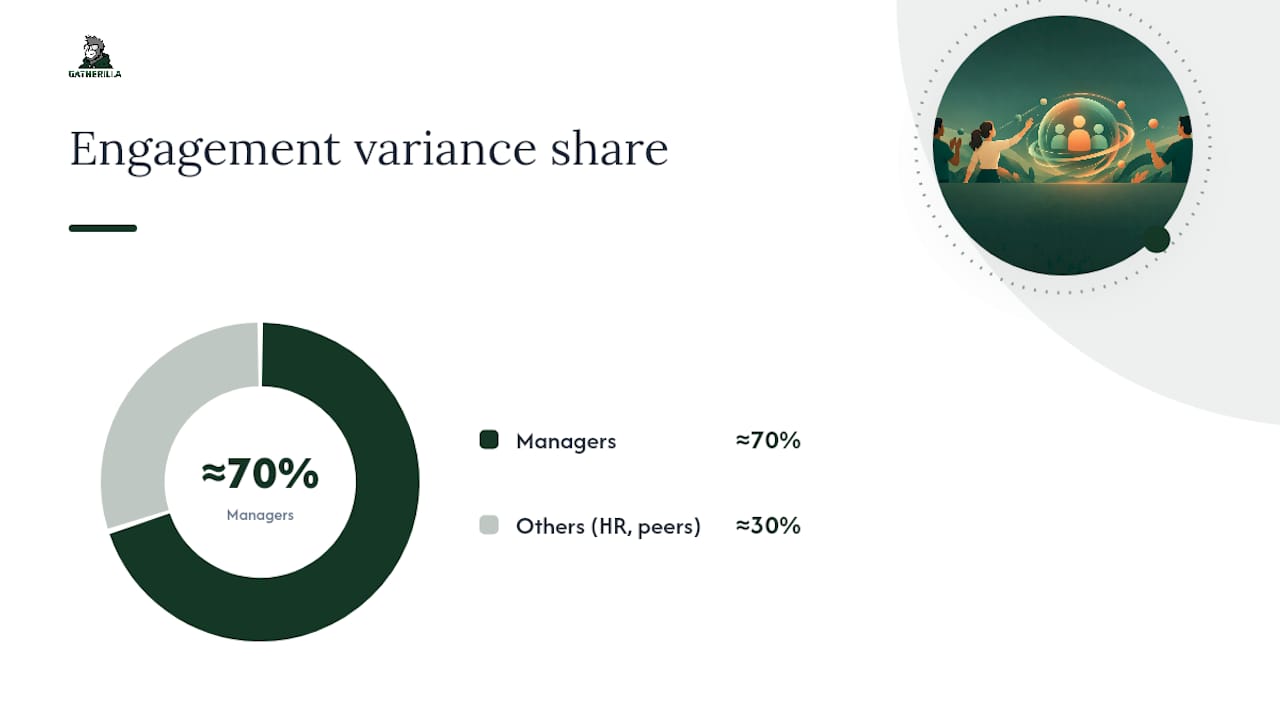
Managers carry more of this than most HR teams assume. Gallup’s research found managers account for roughly 70% of the variance in team engagement, and that number gets more pointed on remote teams where casual hallway recognition simply doesn’t exist. That means your job as HR isn’t just scheduling an event. It’s giving managers specific examples of impact to reference, letting employees choose their own reward format, and coordinating around accessibility needs before anything gets scheduled.
Pro Tip: Ask managers to submit one concrete example per direct report before the event. “Great work this quarter” falls flat. “You caught the pricing error before it hit 400 customers” lands.
Low-Lift Online Ideas HR Can Run in 30 to 60 Minutes
Not every team has the bandwidth for a full production. These ideas take under an hour to plan and run cleanly across time zones.
- All-hands shout-out rounds. A rotating mic (or chat thread) where each person names one teammate and one specific thing they did well.
- A virtual appreciation wall. A shared doc or Slack channel where anyone can post public praise, pinned for the week.
- Personalized manager videos. A 60-second recorded message beats a template email every time, especially when it references a real project.
- Meal stipends or curated e-gift boxes. Offer an opt-out and let people choose delivery timing, since not everyone wants a surprise package showing up mid-shift.
- Recorded shout-outs for different shifts. If your team spans time zones or shift patterns, record the live portion and pin it in a recognition channel so nobody watches it feeling like an afterthought.
Workhuman’s compilation of virtual appreciation ideas backs up what most HR teams already suspect: public shout-outs, stipends, and asynchronous recognition consistently outperform generic all-company emails, largely because they’re specific and visible.
Pro Tip: If you’re worried about low turnout on a live event, run the shout-out round async first. People engage more when they’ve already seen a few examples of what “good” looks like.
Experiential Online Events That Build Real Connection
Games and hosted experiences work best when someone owns the room. Without a clear host, even a good game idea turns into ten people staring at muted video tiles.
- Team trivia tied to company wins. Build questions around actual product launches, client saves, or internal jokes rather than generic pop culture trivia.
- Interactive classes. A cooking demo, a mixology session, or a short wellness class works well when the host sets a clear agenda upfront and mails or emails a simple supply list in advance.
- Multiplayer icebreaker games with breakout rooms. Small groups of four or five talk more than a room of 40 ever will.
- Custom quizzes on individual contributions. “Guess which teammate did this” formats turn recognition into a game instead of a formal announcement.
The operational details matter more than the activity choice. Set one host who runs the clock, use timed rounds so the session doesn’t drift past 45 minutes, and make every activity optional. A colleague who’d rather skip a mixology class shouldn’t feel singled out for opting into async recognition instead. For ready-made agendas, a scripted 30-minute virtual game can save the hour you’d otherwise spend building one from scratch.
Recognition and Rewards That Respect Individual Preference
Choice matters more than most reward budgets suggest. SHRM’s guidance on virtual recognition notes that recognition lands better when it’s personalized and when employees pick their own reward rather than receiving a one-size gift.
A practical reward menu usually includes:
- E-gift cards from a curated list, not a single default vendor
- Learning credits for a course or certification
- An extra half day off, scheduled on the employee’s terms
- Experience vouchers redeemable later rather than expiring fast
Peer recognition programs work best when adoption is broad. Research on narrowly adopted peer-recognition systems found they can actually reduce help-seeking behavior among employees who aren’t part of the recognizing subgroup, essentially creating a culture where asking for help outside your clique feels risky.
That’s the argument for making peer recognition public and available to every team, not an optional extra a few departments adopt. Keep peer-to-peer reward values modest too. Small, frequent rewards prevent gaming the system, and public acknowledgment does more for culture than the dollar value of the gift card ever will.
Logistics Checklist: Timing, Access, and Budget
Before you publish an agenda, run through this short list:
- Cover every time zone. Schedule one live window that catches the most overlap, then build an async path for everyone else.
- Check dietary, cultural, and accessibility needs early. Confirm this before you order meal deliveries or schedule a live cooking class, not after.
- Set a clear per-person budget. Decide it before you start browsing gift options, so you’re not improvising line items later.
- Get consent before publishing public recognition. Not everyone wants their name and photo in a company-wide channel, even when the praise is glowing.
Why Routine Beats the Big Annual Gesture
Managers drive most of what employees feel about their work, and Gallup’s data on that 70% figure should reframe how HR teams plan appreciation. One polished annual event can’t outrun months of silence. What holds up is a manager who says something specific, weekly, without needing a calendar reminder to do it. Tools that make that frictionless matter more than the size of the March event.
— Thomas
Run a Frictionless Appreciation Event With Gatherilla
Some platforms are designed to minimize setup, requiring no downloads or new accounts, and can be integrated directly into your existing video calls.
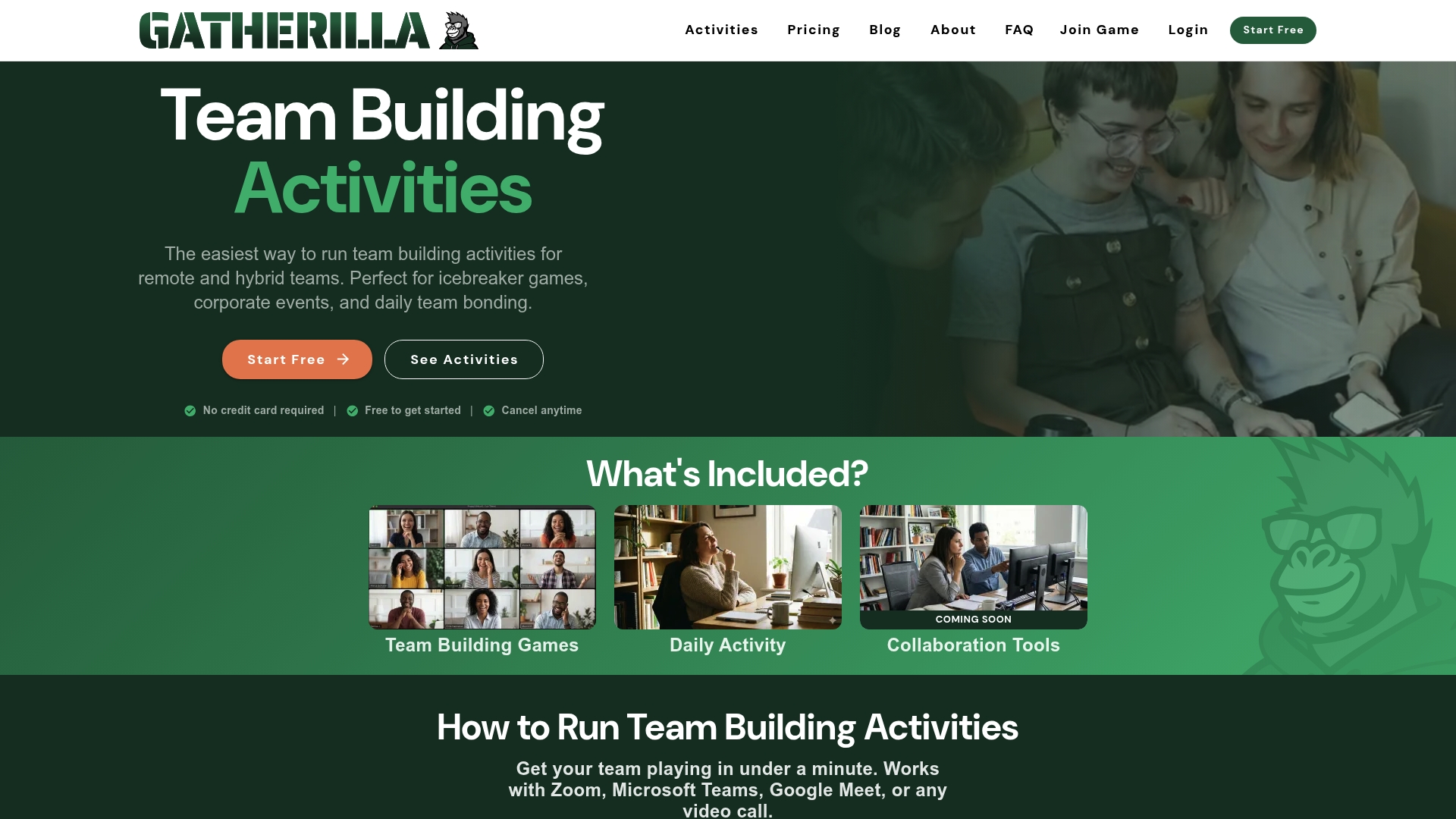
For Employee Appreciation Day specifically, two moves cover most of what this article recommends: host a 30-minute multiplayer game as your shared experience, then keep a daily micro-recognition channel running afterward so appreciation doesn’t disappear the moment March ends. That second part is where most one-off events fail. Gatherilla’s free plan gets you started, and the Premium tier unlocks more games and reporting if you want to track adoption across teams. Head to Gatherilla to preview the games before you commit to an agenda.
Sources
- A Strategic Guide for Managing Hybrid and Remote Teams - Gallup
- 4 Ways to Adapt Employee Recognition Programs to the Virtual Workplace - SHRM
- Virtual employee appreciation ideas - Workhuman
- Employee Appreciation Day 2027: Date, Ideas & Workplace Guide | CalendarHours
FAQ
When Is Employee Appreciation Day?
It falls on the first Friday in March every year. Guides recommend planning specificity and inclusive access into the day rather than treating the date itself as the point.
What Are the Best Virtual Employee Appreciation Activities for Large Distributed Teams?
A short synchronous shout-out round paired with an async recognition channel covers the most ground across time zones. Multiplayer games hosted on no-download platforms like Gatherilla scale well because nobody needs setup help to join.
How Much Should We Budget per Employee for Appreciation Day?
There’s no fixed number, but setting a clear per-person cap before browsing rewards keeps spending consistent across teams. Many HR teams pair a modest e-gift card with a free shared activity to keep cost per person low while still feeling generous.
How Do We Make Sure Remote Employees Feel Included, Not an Afterthought?
Build one live event with real time-zone overlap, then create an asynchronous version of the same recognition for anyone who can’t attend live. Confirm accessibility and dietary needs before scheduling anything that involves a delivery or a live class.
Does Gatherilla Work for a One-Time Event or Ongoing Recognition?
Both. Gatherilla’s multiplayer games work as a single 30-minute Employee Appreciation Day event, and its daily challenge format also supports the ongoing micro-recognition habits that research on manager-driven engagement shows matter more than any single annual gesture.